Global Citizenship

Our Priorities > Enhancing Access Outreach to Patients and Families

image

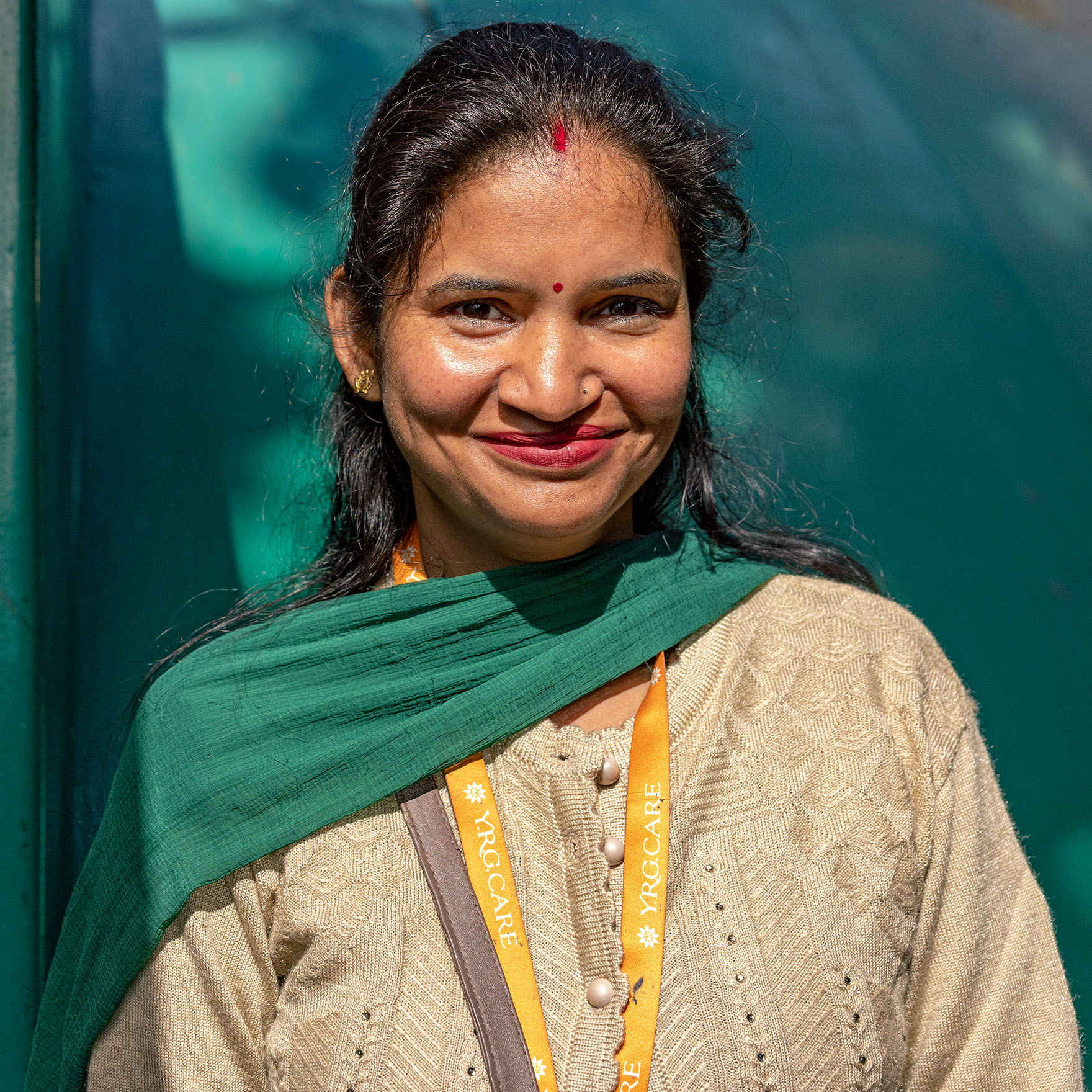
Because epilepsy often goes untreated in India, our business divisions in India host health fairs designed to increase awareness of the disease. To date, more than 40,000 people have been screened for epilepsy.

Years of civil war and unrest have contributed to Cambodia's high rates of childhood malnutrition and maternal mortality. We're helping to address the problem through a pioneering program at the Angkor Hospital for Children, a teaching hospital in Siem Reap where mothers and health care workers learn good nutrition practices, including how to cook healthy family meals.

Up to 18,000 women in Afghanistan die each year due to lack of basic health care services. The Afghan Institute of Learning (AIL) is addressing the challenge under the leadership of Nobel Prize nominee Sakena Yacoobi. To date, more than 775,000 women and children have received health services through AIL’s five health clinics, all staffed by women trained by the group.

image

Afghanistan is one of the most dangerous places on earth for women and children. Only 14 percent of its women have access to skilled medical childbirth care – partly because Afghanistan’s male health care providers are not allowed to treat women. Each day, 70 pregnant Afghan women die, many during childbirth.

image

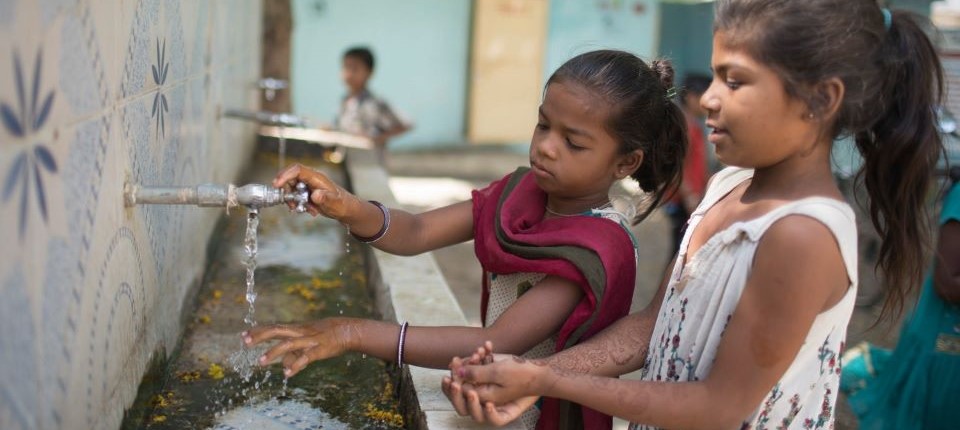
Pediatric malnutrition is an ongoing problem in Vietnam due to a limited supply of nourishing foods and limited access to nutrition education.

image

Years of civil war and unrest have contributed to Cambodia's high rates of childhood malnutrition. We're helping to address the problem through a pioneering program at the Angkor Hospital for Children, where mothers and health care workers learn good nutrition practices, including how to cook healthy family meals.

Enhancing Maternal and Child Health

Along with our partnerships with health care professionals and governments, Abbott works with a wide range of partners to help educate families about the importance of advancing maternal and child health, including the role of proper nutrition in childhood development. Cambodia, for example, has significantly high rates of childhood malnutrition and maternal mortality, the result of years of war and civil unrest. At Angkor Hospital for Children, Abbott and our nonprofit partner, the Abbott Fund, are working with Direct Relief International (DRI) in a unique nutrition education program. The program teaches thousands of families how to grow and prepare nutritious foods, while also training nurses and other health care workers in nutrition and health care issues.

Similarly, in Vietnam – where a quarter of children under age five are underweight – Abbott and the Abbott Fund are partnering with AmeriCares and Giao Diem Humanitarian Foundation Pediatric Program to improve childhood nutrition through the foundation's Soymilk Nutritional Supplement Program. Since the Abbott Fund began supporting the program in 2006, the prevalence of underweight children has dropped by nearly two-thirds, and childhood anemia has declined by 80 percent. During the 2011–2012 school year, the program achieved a 40 percent decrease in malnutrition in 2 of 3 provinces.

image

We work with a wide range of partners to improve the health and status of women and children in Afghanistan, Cambodia, China and Vietnam. We also donate products to humanitarian relief agencies serving these vulnerable populations.

Abbott also plays a key role in addressing maternal and child health in Afghanistan – where one in 11 women die during childbirth, the highest rate of maternal mortality in the world, and where one in four children will not live to see their fifth birthday. Abbott and our nonprofit foundation, the Abbott Fund, are working to improve the lives of Afghan women and children through a partnership with Direct Relief International and the Afghan Institute of Learning (AIL). Founded by Nobel Prize nominee Sakena Yacoobi, a longtime advocate for women's rights in Afghanistan, AIL's five rural clinics – staffed and operated by Afghan women – provide health services and education. Abbott works to empower these women by providing financial support, expertise in maternal and child health, midwife training and nearly $4.5 million in product donations.

Note: All data in the Global Citizenship section reflects activities prior to the separation of Abbott and AbbVie on January 1, 2013.