Global Citizenship

Profiles Community Diabetes Care

Improving Blood Sugar Levels, Together

image

Abbott and the Abbott Fund partner with AMPATH in Kenya to provide home-based testing for people impacted by diabetes, HIV/AIDS, tuberculosis and other chronic diseases.

image

Community health workers locate people in remote locations using handheld GPS systems, then test patients and enter data into smartphones. The data is then sent to the AMPATH-developed Open Medical Record System (OpenMRS), which stores it for easy access by medical professionals.

A pilot study showed that 235 participating patients achieved a 25 percent reduction in their average blood sugar ratings after receiving just three to six months of care through the AMPATH program. Patients who maintain these lower blood sugar levels over time typically benefit from significantly fewer diabetes-related complications.
image

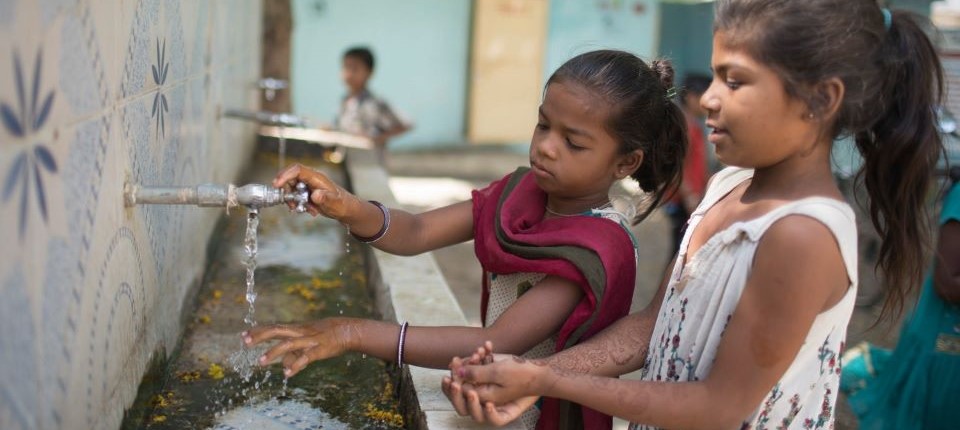
In Kenya, AMPATH’s new pilot program uses the strength of the local community to foster better diabetes management. Neighbors support and encourage one another as they work together to improve control of blood sugar levels.

In Kenya, Abbott and the Abbott Fund are partnering with a consortium of nonprofit organizations and medical schools to improve the quality of care for chronic diseases while empowering patients to manage their own conditions more effectively. This consortium, known as the Academic Model Providing Access to Healthcare (AMPATH), includes Kenya’s Moi University School of Medicine, the Moi Teaching and Referral Hospital and a coalition of North American academic institutions led by Indiana University.

AMPATH and its governmental and community partners currently provide comprehensive care services for more than 150,000 patients by working to address food and income security needs, monitoring patient compliance with treatment protocols and using community-based education programs to promote healthier behaviors. AMPATH initially focused its efforts on developing a comprehensive approach to HIV/AIDS control and treatment. More recently, AMPATH has expanded the scope of its activities to tackle chronic illnesses such as diabetes through innovative strategies that leverage technology, community support and incentive programs to forge a network of care.

BIGPIC Looks at the Big Picture

Determined to leverage the strong community spirit prevalent throughout Kenya, AMPATH developed a pilot program called Bridging Income Generation with Provision of Incentives for Care (BIGPIC). Simply put, BIGPIC uses a combination of group motivation, education and incentives to encourage diabetes patients to improve not only their own health, but also the health of other members of their community.

BIGPIC participants are divided into groups of 10 neighboring patients. The groups are structured to include some patients who have gotten their diabetes under control, some with high blood sugar levels and some with moderate blood sugar levels. All the patients’ blood sugar levels are measured at the start of the program and then at three- and six-month intervals. At the end of that time period, AMPATH hosts a celebration with diabetes-friendly foods, and also rewards the groups that achieve the greatest levels of diabetes control with community-appropriate prizes such as farming supplies, payment of school fees, cell phones or supermarket vouchers.

To have the best chance at winning a prize, groups must work together to find a way to lower the blood glucose levels of the group members with the highest readings. This gives patients who already have their diabetes under control an incentive to help their less healthy counterparts achieve the same success in managing the disease.

AMPATH believes the BIGPIC approach has the potential to deliver both short-term and long-term benefits. In the short term, the peer approach helps patients stay compliant and healthy. In the long term, the system helps to establish a local, sustainable approach to health care management that is not dependent on donor dollars.

Using Mobile Technology to Monitor Patient Progress

Helping Kenyan patients control their diabetes requires ensuring that they have opportunities to conduct regular and reliable blood sugar readings. In the past, clinicians would take a single random blood sugar reading on the day of a patient’s clinic visit, and then try to prescribe a treatment protocol based on that single data point. Since blood sugar readings among diabetes patients can vary dramatically from one day to the next or even within a single day, it was not clear that patients derived any ongoing benefits from treatment based on a single blood sugar reading.

To address this problem, AMPATH has helped two Kenyan Ministry of Health diabetes clinics to implement tests for HbA1c, a form of hemoglobin that shows whether patients’ average blood glucose levels have been high or low over the previous three months.

The HbA1c test reveals which patients have ongoing challenges controlling their blood sugar. Since trips to diabetes clinics can take up to six hours for patients in rural Kenya, AMPATH has piloted a program using mobile phone technology to monitor high-risk patients at home and encourage them to maintain compliance with their diabetes medications.

Patients with high HbA1c readings are sent home with a glucose measuring device and insulin supplies. Most patients already have access to mobile phones of their own or through their community, but AMPATH provides mobile phones to those who do not already have such access. Community workers then call the patients weekly to record all blood sugar test results from the patients and to make sure that patients are performing the necessary insulin injections. These community workers enter data from their patient calls into electronic medical records, which are then reviewed by clinicians who close the loop by sending patients a text message or by calling them with a new recommended insulin dose for the upcoming week.

So far, this innovative mobile diabetes management program has yielded impressive results. A pilot study showed that 235 participating patients achieved a 25 percent reduction in their average blood sugar ratings after receiving just three to six months of care through the AMPATH program. Patients who maintain these lower blood sugar levels over time typically benefit from significantly fewer diabetes-related complications.

AMPATH has been a pioneer in using mobile phone technologies in both its HIV and diabetes programs to help identify, treat and monitor patients. These technologies can transform health care in resource-poor settings, giving health care workers a sustainable way to reach people who otherwise may not be able to access care due to lack of transportation, while empowering patients to have more control over their own care.

Note: All data in the Global Citizenship section reflects activities prior to the separation of Abbott and AbbVie on January 1, 2013.