Global Citizenship
Profiles Access Highlights
1 of 13
Haiti is the most impoverished country in the Western Hemisphere and one of the poorest countries in the world, with 80 percent of the population living in poverty. The devastating earthquake in 2010 drew the world’s attention to the many challenges facing Haiti, including malnutrition. One in three children in Haiti suffer from malnutrition.
2 of 13
Food supplies and other foreign aid provide short-term relief – but can’t solve the long-term challenges of severe malnutrition and poverty. That’s why Abbott and its foundation, the Abbott Fund, are teaming up with Partners In Health (PIH) to try a new approach. By combining the unique expertise and resources of a global health care company and a leading nonprofit organization, this partnership will empower Haitians to create local, sustainable solutions to severe malnutrition, while helping to strengthen long-term economic development.
3 of 13
Abbott, the Abbott Fund and PIH are working together as part of a $6.5 million partnership to build a nutritional food production facility in Haiti to significantly expand local production of Nourimanba, a highly nutritious, peanut-based ready-to-use therapeutic food used to treat severe malnutrition in children.
4 of 13
The initiative also aims to empower local communities by supporting local farms and promoting economic development. Haitian workers will handle facility construction, and Haitian farmers and workers (above) also will handle most of the production of Nourimanba, from start to finish.
5 of 13
Abbott Nutrition engineers and scientists like Dan Schmitz (left) are joining PIH staff in supporting all aspects of the project, including sharing expertise and training to develop the skills of local workers.
6 of 13
Haitian farmers harvest peanuts, the main ingredient in Nourimanba. In Central Haiti, PIH works with more than 200 Haitian farmers who supply peanuts. Increasing the production of Nourimanba will further strengthen local communities by expanding agricultural development -- helping to rebuild a stronger, more economically independent Haiti.
7 of 13
Haitian workers sort peanuts by hand to prepare for Nourimanba production. Nourimanba is made from peanuts combined with milk powder, oil, sugar and a specially formulated vitamin mix. It is ready to eat and does not require mixing with water or refrigeration.
8 of 13
Haitian workers roast peanuts on gas stoves to prepare for Nourimanba production.
Prior to the opening of the new facility in 2012, Abbott food science experts are working with PIH to improve peanut sorting, roasting and other aspects of production to expand output and ensure high product quality and safety.
9 of 13
Ground peanuts are mixed with other ingredients to produce Nourimanba. Pictured here, a worker fills a Nourimanba container by hand.
10 of 13
Abbott architects survey the future site of the PIH nutritional production facility in Central Haiti. Abbott experts in science, engineering, quality, manufacturing and other areas will help to design and construct the facility.
11 of 13
Architectural drawing of the new PIH nutritional production facility in Central Haiti. Groundbreaking for the new facility is planned for mid-2011, and the facility is expected to begin operations in early 2012.
12 of 13
Ready-to-use therapeutic foods like Nourimanba have dramatically improved health outcomes for children with severe malnutrition.
13 of 13
Working together, Partners In Health and Abbott hope to expand the production of Nourimanba to reach tens of thousands more of Haiti’s children suffering from severe malnutrition.
Longer term, the team hopes to introduce a new model of sustainability – by helping Haitians develop and sell nutritious foods such as peanut butter – with the profits supporting the continued production and free distribution of Nourimanba.
Nourimanba, a ready-to-use therapeutic food with a peanut butter base, helps address malnourishment in children. To meet growing demand for Nourimanba, Abbott is building a new processing plant in Haiti. Tour our new plant with this silent animated rendering, which follows production from the delivery of raw peanuts, through roasting, then on to final processing and packaging. The plant will greatly increase production capacity for Nourimanba as well as helping to strengthen the local economy.
PATH's Ultra Rice mixes with regular rice in a 1:100 ratio to create dishes that are virtually identical to the original in taste and texture, but packed with added nutrients. We are working with the global nonprofit organization PATH to scale up production and distribution of Ultra Rice so that more people in India can enjoy its benefits.
1 of 8
In 2001, the Abbott Fund and the Health Ministry identified Muhimbili National Hospital, located in Dar es Salaam and the country's leading teaching and reference hospital, as a starting point for a nationwide transformation. Muhimbili’s deteriorating facilities and services were often ill equipped to meet the needs of a new patient population – people with HIV who would receive long-term ARV treatment.
2 of 8
It was determined that any improvements made at Muhimbili would trickle down throughout the entire health system. A new outpatient department was built, containing a training facility for students and hospital staff. Hospital management received training to strengthen department organization and financial management, and a modern IT system was installed to track inventory, prescriptions and patient health history. These improvements helped to increase hospital-generated revenues by more than 50 percent in the first two years of the partnership.
3 of 8
From the initial work at Muhimbili grew an ambitious plan to modernize the country’s health care system and expand access to HIV testing and treatment. This work included building new testing and counseling rooms to ensure patient privacy, renovating clinics and laboratories, donating laboratory equipment and creating local hospital HIV management teams. More than 19,000 health care worker trainings were conducted. The Abbott Fund also donated 1 million rapid HIV tests to support the presidential effort to increase testing on a national scale.
4 of 8
The Muhimbili outpatient department was the first to integrate HIV treatment into its other outpatient services, helping to mitigate the stigma associated with HIV status. The partnership has extended to hospitals, clinics and rural health facilities across the country. This includes both training and physical renovations at more than half of the country’s regional hospitals. Facilities and systems were upgraded at more than 90 sites throughout the country to improve voluntary counseling and testing services and prepare for the availability of treatment programs.
5 of 8
Most public health laboratories, including Muhimbili's Central Pathology Laboratory, were inefficiently designed, understaffed and generally in poor condition – and physical infrastructure and equipment were in a state of disrepair – leaving a critical gap in patient services.
6 of 8
The Muhimbili hospital laboratory was modernized and computerized to provide accurate diagnostic testing that is crucial not only for lifelong monitoring of HIV patients, but for those with other chronic illnesses like diabetes. Muhimbili’s Central Pathology Laboratory has been modernized, allowing patients to get test results on the same day, rather than coming back days or weeks later to receive a diagnosis.
7 of 8
Most recently, the Abbott Fund/Ministry of Health partnership identified Emergency Medicine as a new area of focus. Emergency Medicine is not a recognized trained medical specialty in Tanzania and there is no formal emergency medical service system.
As a result, patients admitted to public hospitals for acute conditions generally receive limited care until a specialist is available to provide treatment. The lack of emergency care has now been recognized as a contributing factor to the country’s mortality and morbidity rates.
8 of 8
In 2009, the first public Emergency Medical Department in Tanzania to provide services meeting international standards was dedicated on the grounds of Muhimbili National Hospital. The building renovations, staff training and new equipment are supported by a grant from the Abbott Fund.
While the training and services provided at the new EMD will have an immediate impact in its region, the broader goal is to utilize the department as a training ground and create the first residency program in emergency medicine in the country.
1 of 7
Over the years, the Tanzania Government and development partners commissioned several assessments that reviewed the state of laboratory services in Tanzania. These assessments concluded that laboratory services were the weakest link to provision of quality healthcare, especially HIV/AIDS care. Most public health laboratories were understaffed and physical infrastructure and equipment were in a state of disrepair – leaving a critical gap in patient care.
2 of 7
In 2007, the Abbott Fund committed $10 million to modernize all 23 regional-level laboratories in Tanzania over three years.
3 of 7
The implementation team visited each site prior to intervention to consult the local management and to determine the scope and type of intervention. Pre- and post-intervention assessment tools were developed to measure results. The key objective was to build or renovate the laboratories to a standard design that focused on increasing efficiency and safety; providing equipment, enforcing preventative maintenance and quality assurance strategies and on site mentorship to laboratory staff.
4 of 7
The nationwide lab modernization project was completed on time (within three years) and on budget and is increasing the capacity and improving the quality of Tanzania’s 23 regional-level laboratories that support 121 district laboratories providing services to more than 200 care and treatment centers that are scaling-up care nationwide.
5 of 7
Results from the modernization of the first lab showed dramatic improvements, including increasing the number of tests from an average of 15,000 to 134,000 per year and reducing the turnaround time from an average of 3-14 days to less than 24 hours. The number of patients utilizing the laboratory facilities rose from an average of 5,000 to 38,000 per year indicating improved patient confidence. The modern working environment also has boosted staff morale and productivity.
6 of 7
A mentorship program for the laboratory staff was designed to address staffing issues, improve workflow, create and implement standard procedures and ensure lab quality assurance, as well as improve lab perception by doctors and hospital staff, market lab services and lay the foundation for accreditation.
7 of 7
Mentors have maintained contact with host labs, often providing troubleshooting advice remotely. Future plans include providing additional technological resources to support these communications. All of the mentors agreed that the experience and the technical exchange of information were priceless, providing growth for both the mentors and for their new friends from Tanzania. Exposure to international experts has improved staff buy-in and provided long-term support.
1 of 7
The Abbott Fund Institute of Nutrition Science (AFINS) is the first program of its kind to advance the understanding and clinical practice of nutrition – first at Shanghai Children’s Medical Center (SCMC) in Shanghai and now at Bach Mai Hospital in Hanoi. AFINS is designed to advance clinical nutrition within hospitals by providing training and health education, clinical research and high-quality nutritional patient care nationwide.
2 of 7
China has a large percentage of children suffering from malnutrition as a result of limited access to nutritious foods and because many families are not educated about good nutrition. Here, Shanghai Children's Medical Center health care workers are discussing patient cases.
3 of 7
In China, the Abbott Fund established AFINS in partnership with Project HOPE and Shanghai Children’s Medical Center (registration counter depicted here). The program is designed to provide a regional model for best practices in hospital-based pediatric nutrition. As part of an educational exchange in late 2009, partners from AFINS Vietnam toured SCMC in China.
4 of 7
Depicted here, SCMC nutrition experts share their techniques while making rounds in hospital intensive care units.
5 of 7
Displayed here are examples of nutritional products, medical devices, drugs and other tools used at SCMC.
6 of 7
AFINS in Vietnam is just one part of Abbott’s global commitment to advancing nutrition science to help people live healthier lives.
7 of 7
AFINS China has already trained almost 800 physicians and nearly 400 nurses and dietitians. In Vietnam, the program has helped integrate nutrition education into the curriculum at local medical schools, leading to the creation of sound nutritional guidelines for hospitals.
Improving Women’s Health in Afghanistan Up to 18,000 women in Afghanistan die each year due to lack of basic health care services. The Afghan Institute of Learning (AIL) is addressing the challenge under the leadership of Nobel Prize nominee Sakena Yacoobi. To date, more than 775,000 women and children have received health services through AIL’s five health clinics, all staffed by women trained by the group.
1 of 12
Afghanistan is one of the most dangerous places on earth for women and children. Only 14 percent of its women have access to skilled medical childbirth care – partly because Afghanistan’s male health care providers are not allowed to treat women. Each day, 70 pregnant Afghan women die, many during childbirth.
2 of 12
Sakena Yacoobi, a longtime advocate for women’s rights, was determined to do something about the country’s high maternal mortality rate – and the fact that one in four Afghan children don’t live to see their fifth birthday. She went on to found the Afghan Institute of Learning (AIL).
3 of 12
In 2006, the Afghan Institute of Learning partnered with Abbott, the Abbott Fund and Direct Relief International to improve the health of women and children in Afghanistan. The Abbott Fund has focused its support on empowering Afghan women through the training of female midwives to provide skilled assistance during labor and delivery, as well as care for infants and children. In addition, the Abbott Fund supports five of AIL's clinics – staffed and operated primarily by Afghan women – to provide quality patient care and services.
4 of 12
The Abbott Fund helps support AIL’s five clinics, which are staffed and operated by Afghan women. They serve mostly rural areas in the Herat and Kabul provinces.
5 of 12
To date, 78 women have completed midwife training through AIL. Most of them now work in clinics and hospitals.
6 of 12
Many of Sakena Yacoobi’s students take their training classes inside this converted shipping container, which is located on the grounds of the Herat clinic.
7 of 12
The women appreciate the opportunity to study, even in cramped conditions.
8 of 12
In addition to grant support from the Abbott Fund, Abbott supports AIL’s five clinics with donations of medical and nutrition products.
9 of 12
We support AIL’s five-day health education workshops, where local women learn the basics of health care and nutrition. The workshops also teach Afghan women how to read.
10 of 12
Over the past five years, Sakena Yacoobi’s organization has delivered reproductive health services to more than 145,000 Afghan women and conducted health education classes for more than 775,000.
11 of 12
AIL has also performed nutritional assessments for nearly 120,000 children.
12 of 12
The Abbott Fund is an active member of the U.S.-Afghan Women’s Council, whose mission is to empower Afghan women by mobilizing public and private resources to advance women’s health, financial standing and social status.
Haiti is the most impoverished country in the Western Hemisphere and one of the poorest countries in the world, with 80 percent of the population living in poverty. The devastating earthquake in 2010 drew the world’s attention to the many challenges facing Haiti, including malnutrition. One in three children in Haiti suffers from malnutrition.
Around the world, Abbott and its employees strive to create innovative solutions for sustainable business. This section spotlights just a few of our dynamic programs, each one the result of cooperation between Abbott, the Abbott Fund and our global partners. We are pleased to share our successes and our ongoing efforts with our stakeholders.
Addressing Severe Malnutrition in Haiti
In Haiti, where severe malnutrition is a longstanding problem, Abbott and Boston-based Partners In Health (PIH) are building a new facility where Haitian workers will produce a nutritious, ready-to-eat therapeutic food called Nourimanba, using peanuts and other locally produced ingredients. Supported by a $6.5 million grant from the Abbott Fund, the new plant also empowers Haitians to develop and sell nonmedical nutritional foods like peanut butter that can help feed the poorest country in the Western Hemisphere.
To learn more about our work with PIH, please visit partnershipinhaiti.org.
Help for India's Malnourished
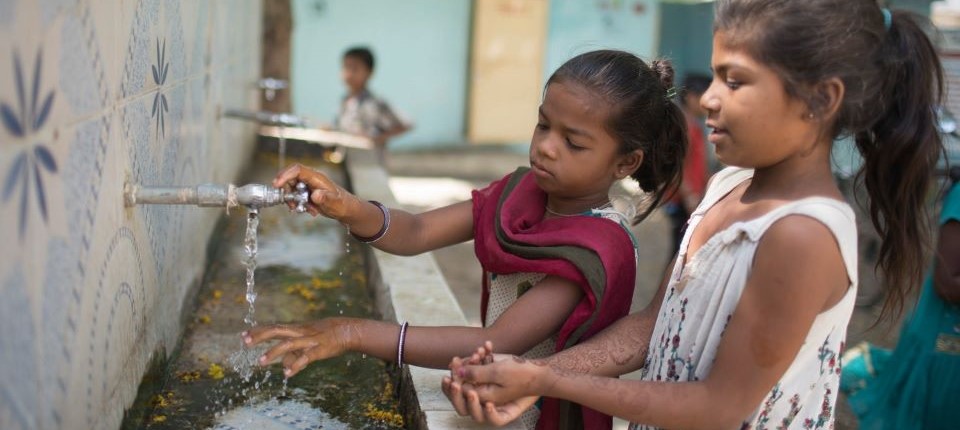
India is another country with widespread malnutrition as well as diabetes. Abbott’s nutrition scientists are working with the nonprofit organization PATH to perfect a food fortification technology called Ultra Rice, which packs vitamins and minerals into race-shaped grains, resulting in a product far more nutritious than traditional rice yet nearly identical in smell, taste and texture.
Modernizing Muhimbili National Hospital in Tanzania
For more than a decade, Abbott has worked closely with the Government of Tanzania to strengthen health care there. Our efforts include work to comprehensively modernize Muhimbili National Hospital as well as 23 regional-level hospitals. We are also partnering with the Baylor International Pediatric AIDS initiative to build a pediatric AIDS Center of Excellence in Tanzania and have helped train more than 19,000 of the country’s health care workers in HIV care and treatment.
Advancing Clinical Nutrition Practices in China and Vietnam
The Abbott Fund Institute of Nutrition Science (AFINS) is a unique approach to advancing understanding and practice of clinical nutrition. Operating in both China and Vietnam, AFINS, launched in China in 2007 and expanded to Vietnam in 2010, is focused on extensive training of physicians, nurses and dietitians and on the integration of nutrition training into local medical school curricula. The program also supports development of standardized nutritional guidelines.
Improving Women's Health in Afghanistan
Abbott plays a key role in addressing maternal and child health in Afghanistan, where 1 in 11 women dies during childbirth, the highest rate of maternal mortality in the world, and where one in four children do not live to see their fifth birthday. We work to improve the lives of Afghan women and children through our partnership with Direct Relief International and the Afghan Institute of Learning, (AIL). AIL’s five rural clinics, staffed and operated by Afghan women, provide health services and education. We work to empower the women at these clinics by providing expertise in maternal and child health, midwife training and nearly $4.5 million in product donations as well as financial support.
Note: All data in the Global Citizenship section reflects activities prior to the separation of Abbott and AbbVie on January 1, 2013.
Quick Links
Our Reports
Key Metrics
For interactive charts demonstrating Abbott’s financial, social and environmental performance Visit this section
© 2006, 2013 Abbott Laboratories, Abbott Park, Illinois, USA
Unless otherwise specified, all product names appearing in this Internet site are trademarks owned by or licensed to Abbott Laboratories, its subsidiaries or affiliates. No use of any Abbott trademark, trade name, or trade dress in this site may be made without the prior written authorization of Abbott Laboratories, except to identify the product or services of the company.